Get Your Free Estimate Today
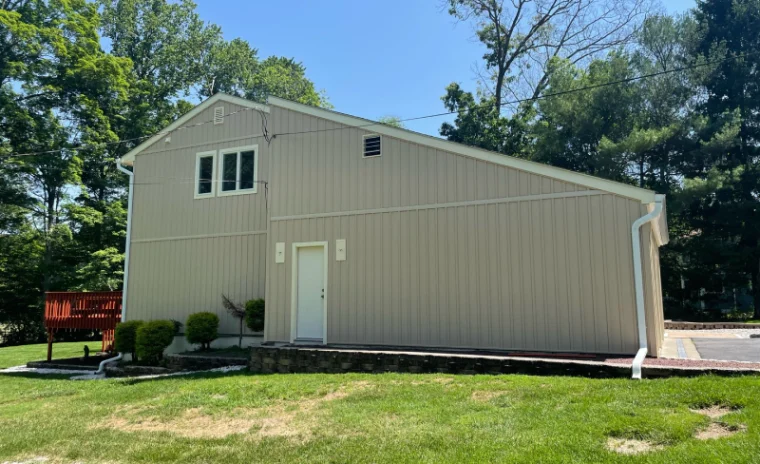
How Poor Installation Destroys Home Value
Ignoring Visible Damage and Structural Issues
Homeowners who postpone addressing visible siding damage face one of the most immediate threats to resale value. Cracked panels, warped sections, or areas with missing pieces signal neglect to potential buyers and create red flags during inspections. In Andover’s climate, where freeze-thaw cycles and seasonal storms put constant pressure on exterior surfaces, even minor damage can escalate quickly into moisture intrusion and structural compromise.
When buyers notice damaged siding during walkthroughs, they immediately factor repair costs into their offers or request seller concessions. Appraisers also note exterior condition in their valuations, which means ignoring a few cracked panels today can reduce your home’s assessed value by thousands of dollars tomorrow. Water infiltration behind compromised siding leads to rot, mold growth, and insulation degradation, issues that become deal-breakers during pre-sale home inspections.
Professional siding services can assess damage severity and recommend targeted repairs before listing your home. Addressing these issues proactively preserves structural integrity and demonstrates proper maintenance to prospective buyers, protecting both your investment and your negotiating position.
Mismatched Materials and Inconsistent Aesthetics
Patchwork siding repairs using materials that do not match the original installation create immediate visual discord that buyers cannot overlook. When homeowners replace damaged sections with whatever product is cheapest or most readily available, the resulting color variations, texture differences, or incompatible panel styles broadcast poor decision-making and cut-rate maintenance habits.
Today’s buyers in northern New Jersey markets expect curb appeal and exterior cohesion. A home with three different shades of vinyl siding or mixed material types across different walls raises questions about what other shortcuts were taken throughout the property. Real estate agents report that aesthetic inconsistencies often lead buyers to submit lower initial offers or skip the property entirely in favor of move-in-ready alternatives.
Beyond the cosmetic impact, mismatched materials can create performance problems. Different siding products expand and contract at different rates with temperature changes, leading to gaps, buckling, or fastener failure at transition points. Quality exterior remodeling work ensures uniform appearance and compatible material performance, maintaining both visual appeal and functional integrity that support strong resale values.
DIY Repairs Without Proper Installation Standards
Well-intentioned homeowners who attempt siding repairs themselves frequently create problems that trained inspectors identify immediately. Improper nailing patterns, inadequate flashing around windows and doors, missing moisture barriers, and incorrect overlap sequences might not be visible to casual observers but become obvious concerns during professional pre-sale inspections.
Home inspectors in the Andover area routinely check siding installations for compliance with manufacturer specifications and building code requirements. When they document improper installation techniques in their reports, buyers gain powerful negotiating leverage or walk away entirely. Issues like face-nailing through siding panels, over-driven fasteners that dimple the material, or missing expansion gaps can void manufacturer warranties and signal future maintenance burdens to prospective purchasers.
The financial impact extends beyond immediate repair costs. Buyers who discover DIY work during inspections often question whether other systems in the home received similarly substandard attention, creating doubt that affects every aspect of negotiations. Professional installation by qualified siding contractors ensures code compliance, preserves manufacturer warranties, and provides documentation that reassures buyers during the transaction process.
Selecting Budget Materials Over Quality Products
Choosing the least expensive siding option available delivers short-term savings that transform into long-term value destruction. Thin-gauge vinyl that warps in summer heat, economy-grade products with limited color retention, or materials with short manufacturer warranties tell buyers they will face replacement costs within years of purchase. Savvy buyers and their agents recognize inferior products and adjust their offers accordingly.
The quality gap between budget and premium siding becomes especially apparent in northern New Jersey’s demanding climate. Freeze-thaw cycles, UV exposure, high winds, and seasonal precipitation accelerate deterioration of lower-grade materials. Fading, brittleness, crack formation, and panel separation occur much faster with economy products, creating maintenance demands that reduce a home’s marketability and resale potential.
Investment in quality materials like fiber cement or premium vinyl siding pays measurable returns during resale. These products maintain appearance longer, carry transferable warranties, and signal property pride that appeals to buyers. Professional installation of durable materials through trusted providers protects your equity and positions your home competitively when market conditions favor well-maintained properties with quality components.
Skipping Permits and Hiring Uninsured Contractors
Proceeding with siding work without required building permits or hiring unlicensed, uninsured contractors creates legal and financial liabilities that surface during real estate transactions. New Jersey disclosure laws require sellers to reveal unpermitted work, and title companies often flag these issues during closing preparations. Buyers discovering unpermitted installations typically demand proof of code compliance, after-the-fact permits, or price reductions that exceed the original permit costs many times over.
Working with uninsured contractors carries even greater risk. If workers are injured on your property or installation errors cause damage, liability falls on the homeowner. During sale negotiations, inability to provide proof of proper insurance coverage for work performed raises red flags that buyers and their attorneys take seriously. Smart purchasers walk away from properties with undocumented work histories rather than assume unknown risks.
Legitimate, licensed contractors pull necessary permits, carry proper insurance, and provide documentation that protects homeowners during resale. This paper trail demonstrates regulatory compliance and professional standards that reassure buyers and facilitate smooth transactions. Choosing qualified professionals for siding installation projects protects your investment legally, financially, and practically when the time comes to sell.